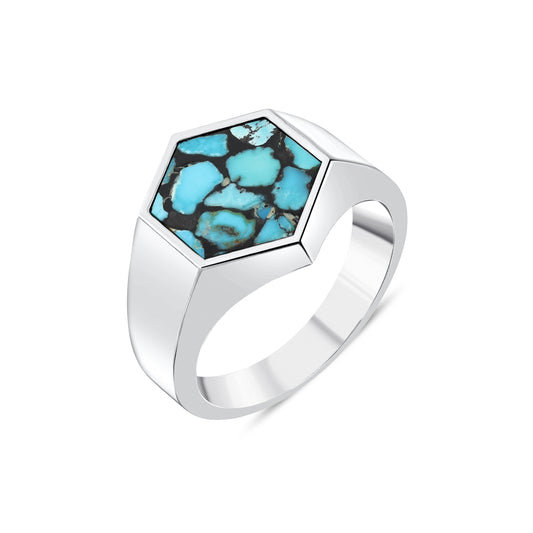
Opal
Opal: A Comprehensive Guide to This Mesmerizing Gemstone
What is Opal?
Opal is one of the most enchanting gemstones in the world, celebrated for its unique play-of-color, an optical phenomenon that creates a dazzling rainbow effect. This gemstone is formed from hydrated silica and is known for its captivating spectrum of colors, which can include flashes of red, green, blue, and violet. Opals can be opaque, translucent, or transparent, and their beauty is unmatched in the world of fine jewelry.
The Symbolism and Historical Significance
Opals have been cherished for centuries, often associated with mystery, creativity, and passion. In ancient Rome, they were considered a symbol of hope and purity, while Aboriginal Australians believed that opals were a celestial gift from the creator. In the Middle Ages, they were thought to bring luck and possess the virtues of all gemstones due to their multi-colored appearance. Today, opal is the birthstone for October and is often gifted for 14th wedding anniversaries, symbolizing love and devotion.
The Scientific Composition and Properties
Opal is composed of tiny silica spheres that diffract light, producing its characteristic play-of-color. Unlike crystalline gemstones, opal is amorphous, meaning it lacks a defined crystal structure. It has a water content that varies from 3% to 21%, making it more delicate than other gemstones. With a hardness rating of 5.5 to 6.5 on the Mohs scale, opal requires careful handling to prevent scratching and breakage.
The Rarity and Origin
Opals are found in several locations around the world, but Australia is the leading producer, responsible for approximately 95% of the world's supply. Ethiopian opals have gained popularity for their vibrant colors and affordability. Other notable sources include Mexico, Brazil, and the United States. Among opals, black opal from Lightning Ridge, Australia, is considered the rarest and most valuable due to its deep body tone and intense play-of-color.
Enhancements and Treatments
To enhance their beauty and durability, opals may undergo treatments. Some are impregnated with oils or resins to improve stability and prevent cracking. Doublets and triplets are also common; these are composite stones made by layering a thin slice of opal with backing material or a protective quartz cap. However, untreated natural opals hold the highest value in the market.
How to Choose Opal?
Selecting the perfect opal depends on several factors:
- Play-of-color: The most valuable opals display vibrant and broad flashes of color.
- Body tone: Darker opals, such as black opal, are typically more prized than white or milky opals.
- Transparency: Crystal opals, which are more transparent, can have a mesmerizing glow.
- Shape and Cut: Opals are often cut in cabochon style to maximize their color display and protect them from chipping.
- Origin: Australian opals are usually more valuable, but Ethiopian opals offer exceptional beauty at a more affordable price.
Gemological Laboratories for Certification
To ensure authenticity and quality, it is advisable to purchase opals that have been certified by reputable gemological laboratories. Institutions such as the Gemological Institute of America (GIA), American Gemological Laboratories (AGL), and International Gemological Institute (IGI) provide professional assessments, confirming the gemstone's natural origin and any enhancements.
The Four Cs of Opal
Unlike diamonds, opals are evaluated based on different factors:
- Color: The intensity and distribution of play-of-color greatly affect value.
- Clarity: While opals are not graded on clarity like diamonds, a cleaner surface with fewer inclusions is preferable.
- Cut: Opals are typically cut into cabochons, but freeform and faceted cuts also exist.
- Carat Weight: Larger opals are rarer, and size influences price, but color quality is the most crucial factor.
Proper Care and Maintenance
Opals require gentle care to preserve their beauty:
- Avoid exposure to heat and sudden temperature changes, as opals can crack due to their water content.
- Keep away from harsh chemicals such as cleaning agents and perfumes.
- Store separately from harder gemstones to prevent scratching.
- Clean with a soft cloth and lukewarm water, avoiding ultrasonic cleaners.
- Wear with care, as opals are softer and can be easily damaged by impact.
Conclusion
Opals are truly one of nature’s most fascinating gemstones, offering a mesmerizing play-of-color that makes them stand out in fine jewelry collections. Whether you seek a timeless black opal from Australia or an ethereal Ethiopian crystal opal, understanding their properties, origins, and care will ensure a lifetime of enjoyment. When choosing an opal, consider certification from reputable gemological laboratories to ensure its authenticity and value. With the right knowledge, your opal jewelry will remain a treasured possession for years to come.