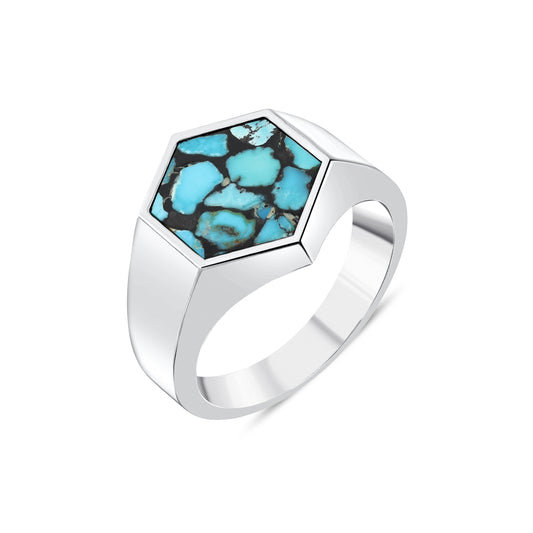
Tanzanite
Tanzanite: The Enchanting Blue-Violet Gemstone
What is Tanzanite?
Tanzanite is a rare and mesmerizing gemstone, renowned for its striking blue-violet hues. Discovered in 1967 in Tanzania, this gemstone belongs to the zoisite mineral family. Its captivating colors and limited geographic origin make it one of the most sought-after gemstones in the world.
The Symbolism and Historical Significance
Tanzanite is associated with transformation, spiritual enlightenment, and deep emotional connections. It is often linked to intuition and wisdom, making it a favorite among those who seek inner growth. As one of the most recently discovered gemstones, Tanzanite lacks a deep historical background like sapphires or rubies, but its rarity and beauty have quickly established it as a prized possession among collectors and jewelry enthusiasts.
The Scientific Composition and Properties
Tanzanite is a variety of zoisite composed of calcium aluminum silicate with traces of vanadium, which gives it its signature blue-violet color. It ranks between 6 and 7 on the Mohs hardness scale, making it softer than sapphires or diamonds. This means it requires careful handling to prevent scratches and damage.
The Rarity and Origin
Tanzanite is found only in one location worldwide—near Mount Kilimanjaro in Tanzania. Its limited supply and single-source origin add to its allure and value. Due to the finite nature of Tanzanite deposits, experts believe that the gemstone may be mined out within the next few decades, further enhancing its exclusivity.
Enhancements and Treatments
Nearly all Tanzanite available on the market undergoes heat treatment to enhance its vibrant hues. This process removes unwanted brownish tones and brings out the gemstone's signature blue and violet colors. Heat treatment is permanent and widely accepted in the jewelry industry.
How to Choose Tanzanite?
Selecting a Tanzanite gemstone requires careful attention to color, clarity, cut, and carat weight—the Four Cs of gemology. The most valuable Tanzanites exhibit deep, saturated hues of blue with violet undertones. High clarity, expert faceting, and a balanced carat weight contribute to the gemstone’s overall brilliance and desirability.
Gemological Laboratories for Certification
To ensure authenticity and quality, Tanzanite should be certified by reputable gemological laboratories such as the Gemological Institute of America (GIA) or the International Gemological Institute (IGI). These certifications verify the gemstone’s origin, treatments, and overall quality, giving buyers confidence in their investment.
The Four Cs of Tanzanite
- Color – The most desirable Tanzanites display a vivid royal blue to deep violet hue. Lighter stones are also beautiful but generally less valuable.
- Clarity – High-quality Tanzanites are typically eye-clean, meaning they have minimal visible inclusions.
- Cut – A well-cut Tanzanite maximizes its brilliance and enhances its pleochroic nature, which means it displays different colors when viewed from different angles.
- Carat Weight – Larger Tanzanites are rarer and more valuable. However, the color saturation tends to be more pronounced in stones above five carats.
Proper Care and Maintenance
Since Tanzanite is relatively soft compared to other gemstones, it requires special care. Avoid ultrasonic cleaners and exposure to extreme heat. Instead, clean it with warm, soapy water and a soft brush. Store it separately from harder gemstones like diamonds to prevent scratching. Always remove Tanzanite jewelry before engaging in physical activities.
Conclusion
Tanzanite’s breathtaking beauty, combined with its rarity, makes it one of the most treasured gemstones in the world. Whether set in a ring, pendant, or earrings, its mesmerizing color and exclusivity ensure a timeless and elegant appeal. If you are looking for a unique and valuable gemstone, Tanzanite is an excellent choice, offering both luxury and sophistication.